Aerospace and Defense Suppliers
Aerospace, aviation, electronics, engineering, manufacturing, machine shops, and technical suppliers supporting defense programs.
Find exposure, strengthen essential controls, and build practical resilience around the systems your organization depends on.
Explore cybersecurity services →Evaluate controls independently, document defensible findings, and focus remediation on the risks with the greatest operational impact.
Explore security audits →Translate security obligations into clear evidence, accountable remediation, and a practical path toward audit or customer readiness.
Explore compliance services →Bring security governance, risk decisions, leadership communication, and improvement planning into one accountable executive program.
Explore vCISO services →CMMC 2.0 & NIST SP 800-171 Readiness
Define where CUI and FCI live, connect required practices to responsible owners and current evidence, and build a remediation plan your organization can explain and defend.
CISO-led guidance from Ali Hassani, backed by 25+ years of IT, cybersecurity, compliance, and infrastructure experience.
What CMMC Means
CMMC is designed to strengthen cybersecurity across the Defense Industrial Base by protecting Federal Contract Information and Controlled Unclassified Information. OC Security Audit helps organizations understand scope, identify gaps, organize evidence, and build a practical remediation plan before self-assessment or third-party assessment activity.
Who Needs CMMC
If your organization works directly with the Department of Defense, supports a prime contractor, or provides technology services to a defense contractor, CMMC readiness may affect contracts, security expectations, and customer requirements.
Aerospace, aviation, electronics, engineering, manufacturing, machine shops, and technical suppliers supporting defense programs.
Organizations receiving contract data, drawings, designs, specifications, CUI, FCI, or sensitive project information.
Technology providers supporting defense contractors through managed IT, software, Microsoft 365, Azure, cloud storage, or security operations.
CMMC Levels
The level required depends on contract language, the information you handle, and whether your environment stores, processes, transmits, or supports FCI or CUI.
Often associated with organizations that handle Federal Contract Information and need foundational safeguarding practices.
Often associated with organizations that handle Controlled Unclassified Information and need stronger alignment with NIST SP 800-171.
Higher-risk programs may require more mature governance, monitoring, risk management, and advanced security expectations.
Readiness Services
OC Security Audit supports readiness through practical assessment, remediation planning, documentation support, and preparation before self-assessment or formal third-party assessment activity.
Review contracts, CUI/FCI data types, users, vendors, systems, cloud services, endpoints, and Microsoft environments.
Compare current controls against CMMC and NIST SP 800-171 expectations across technical and procedural areas.
Rank findings by risk, contract impact, evidence needs, cost, complexity, and operational urgency.
Improve identity, endpoint, firewall, cloud, vulnerability, logging, backup, and data protection controls.
Prepare or improve SSP, POA&M, diagrams, policies, procedures, evidence requests, and control owner notes.
Perform a final readiness review before self-assessment, customer review, or C3PAO preparation.
NIST SP 800-171 Alignment
CMMC Level 2 readiness is closely tied to NIST SP 800-171. The review connects technical configuration, policy language, evidence quality, and business ownership so your team can move from uncertainty to a practical action plan.
Limit CUI access to authorized users, devices, services, and business workflows.
Prepare users and administrators to recognize responsibilities around CUI and FCI.
Confirm logging, review procedures, alerting, and investigation records are usable.
Review secure baselines, change control, hardening, and configuration drift.
Validate MFA, identity lifecycle, privileged access, and account controls.
Review response plans, roles, tabletop readiness, evidence capture, and communications.
Check maintenance controls, remote support paths, vendor access, and support records.
Review removable media, backups, exports, disposal, and handling of sensitive data.
Confirm onboarding, offboarding, access reviews, and role-based responsibilities.
Review physical access to systems, facilities, network rooms, and endpoint locations.
Identify vulnerabilities, business impact, contract exposure, and remediation priorities.
Review control implementation, POA&M tracking, and readiness validation.
Assess segmentation, encryption, cloud configuration, and secure communications.
Review EDR, patching, vulnerability management, alerts, and remediation evidence.
CUI Boundary
Before implementing controls, organizations need to understand where CUI and FCI enter the business, where they are stored, who can access them, which systems process them, and where they leave the environment.
Documentation and Roadmap
Compliance readiness is not only about technology. Your organization must be able to explain what controls are implemented, how they are managed, where supporting evidence is stored, and which gaps are being remediated.
Local Defense Suppliers
OC Security Audit supports defense contractors and suppliers throughout Orange County, Irvine, Santa Ana, Anaheim, Costa Mesa, Huntington Beach, Newport Beach, Tustin, Mission Viejo, Los Angeles, Long Beach, Riverside, San Diego, and Southern California.
After the Assessment
OC Security Audit identifies CMMC readiness gaps, scope issues, evidence needs, and remediation priorities. When findings require implementation or operational support, IT Perfection can help with related managed IT, Microsoft 365, Azure, endpoint, firewall, network infrastructure, help desk, monitoring, and documentation work while OC Security Audit remains focused on assessment, risk, and compliance readiness.
For patching, help desk, endpoint administration, monitoring, and operational remediation, review IT Perfection managed IT services.
For Microsoft 365, Azure, Entra ID, endpoint, and cloud implementation needs, review Microsoft 365 managed services.
For segmentation, firewalls, VPN, wireless, router, switch, monitoring, and network documentation work, review network infrastructure management.

CISO-Led CMMC Readiness
Ali Hassani is a CISO and cybersecurity consultant with 25+ years of experience across IT operations, cybersecurity, compliance auditing, Microsoft infrastructure, network security, firewall security, vulnerability management, cloud security, and infrastructure leadership.
For CMMC readiness, that practical background matters because CUI protection touches identity, endpoints, Microsoft 365, Azure, firewalls, networks, logs, vendors, policies, evidence, leadership decisions, and remediation planning. Learn more on the Ali Hassani profile.
Related Services and Tools
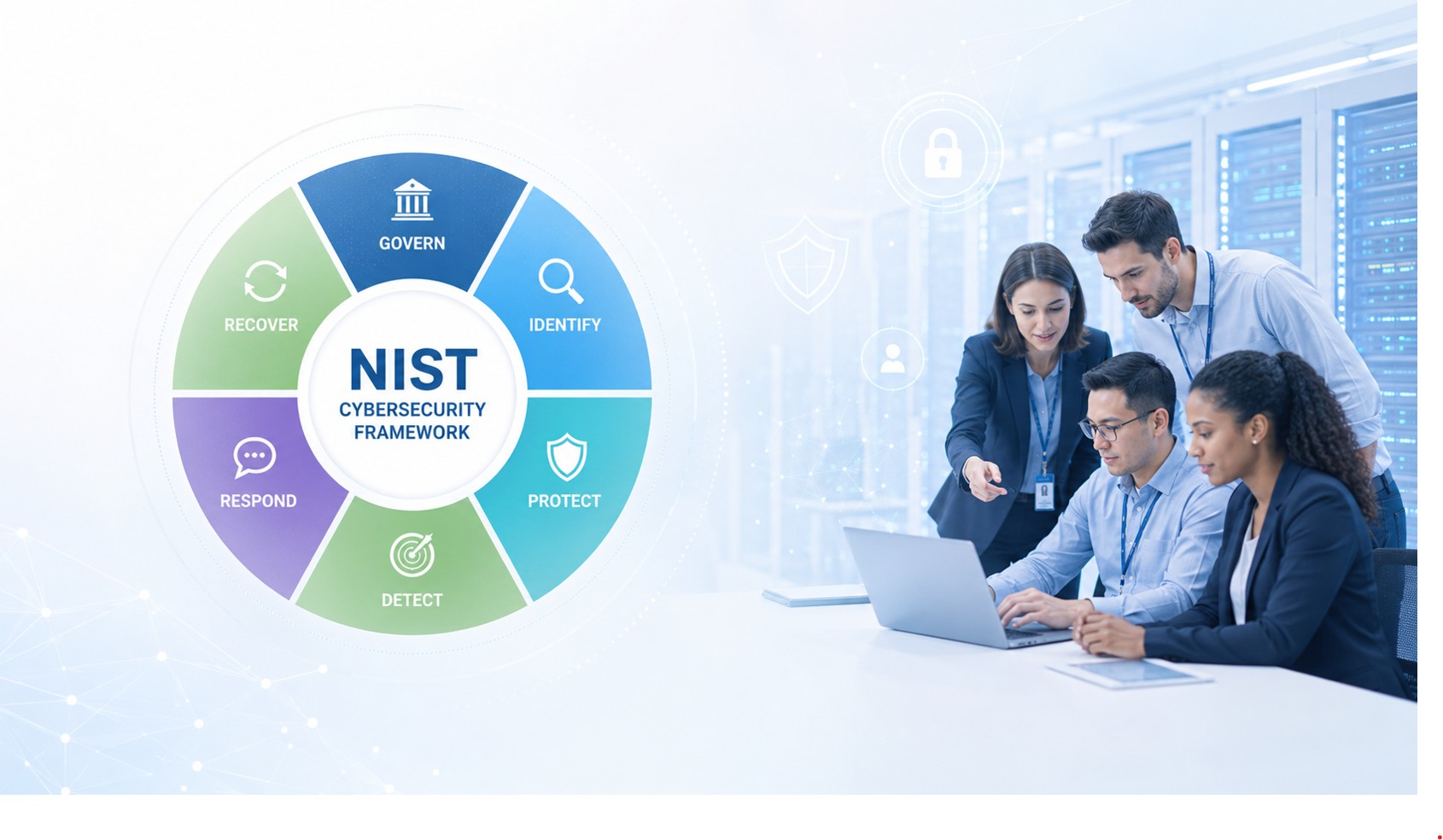
Review compliance consulting, NIST Cybersecurity Framework, and SOC 2 readiness.
Review network vulnerability assessment, firewall security audit, and security audit services.
Start with the compliance readiness assessment wizard, vendor risk assessment tool, or cybersecurity risk assessment.
Schedule a CMMC readiness consultation through the OC Security Audit contact page or call 949-777-5567.
FAQ
CMMC 2.0 is the Department of Defense cybersecurity program for protecting sensitive information in the defense supply chain, including Federal Contract Information and Controlled Unclassified Information.
Small businesses may need CMMC readiness if they handle FCI, CUI, or support a prime contractor that flows down cybersecurity requirements.
NIST SP 800-171 defines security requirements for protecting CUI. CMMC uses those requirements as a major foundation, especially for Level 2 readiness.
OC Security Audit helps with readiness, gap assessment, remediation, documentation, and assessment preparation. Formal CMMC assessments are performed by authorized assessment organizations.
Yes. OC Security Audit can review Microsoft 365, Entra ID, Azure, email security, MFA, logging, access controls, and configuration settings that may affect CMMC readiness.
OC Security Audit supports businesses in Irvine, Orange County, Los Angeles County, and Southern California, including defense contractors, suppliers, MSPs, SaaS providers, and professional service firms.
Start Here
CMMC readiness does not have to be confusing. OC Security Audit helps contractors and suppliers understand requirements, identify gaps, improve cybersecurity controls, prepare documentation, and build a realistic roadmap toward assessment readiness.
This website uses essential cookies for security and operation. Optional analytics and advertising cookies help measure site use and outreach. Choose Allow or Deny. You can change your choice at any time.